Upcycling and Care Techniques for Leather Bags: Extend Your Style with Smart DIY
A practical, fashion-forward guide that blends timeless leather care with beginner-friendly upcycling ideas. Learn how to treat, repair, and refresh your bags so they age beautifully rather than fade into obsolescence. This article embraces sustainable craft, careful materials science, and a dash of creative reinvention for the everyday bag lover.
Leather bags are more than accessories; they’re trust-in-time companions. They shoulder our daily journeys, carry our essentials, and accrue stories with every destination and decision. The truth is simple: well-maintained leather lasts longer, looks better with age, and can often be revived through thoughtful care and small, clever upcycling tweaks. In a world where new purchases are easy but environmental costs accumulate, a care-first, upcycle-forward mindset is not just chic—it’s responsible. This guide walks you through practical routines, beginner-friendly repair ideas, and creative refreshes that breathe new life into worn pieces without the need for pricey replacements.
Why leather care matters: longevity, aesthetics, and sustainability
Leather is a natural, durable material that rewards attention. Proper care protects fibers from drying out, cracking, and color loss, while timely repairs can halt minor damage from becoming major. A well-cared-for bag often ages into a statement piece that gains character over time. Beyond beauty, maintaining your leather reduces waste and the demand for new materials. It’s a small act with a meaningful impact—keeping accessories in rotation longer, reducing landfill, and supporting a more circular approach to fashion.
Care routines are not one-size-fits-all. Leather varies by finish (aniline, nubuck, corrected-grain), dye, and treatment. The key is to observe the bag’s surface, understand its natural oils, and apply products that harmonize rather than disrupt the leather’s texture and color. The following sections translate expert knowledge into approachable steps any reader can follow.
Practical care steps: cleaning, conditioning, storage, and seasonal maintenance
Cleaning is the foundation. Start by removing surface dust with a soft, dry cloth. For light grime, dampen a microfiber cloth with distilled water and wipe gently in a circular motion. Avoid soaking the leather; moisture is a careful foe. If your bag is more stubbornly stained, opt for a cleaner formulated specifically for leather. Test on a hidden area first, then apply with a light hand and a clean cloth. Let it dry away from heat sources and direct sunlight.
Conditioning restores suppleness after cleaning. Choose a conditioner appropriate for your bag’s finish—neutral for natural tones, or a color-matched option if needed. Apply sparingly with a soft cloth, working in small circular motions to evenly distribute the product. Allow it to absorb fully before buffing gently with a dry cloth. Conditioning helps replenish natural oils, reduce cracks, and keep the leather flexible through seasonal changes.
Storage matters when you’re not carrying the bag. Store leather bags in a cool, dry place away from direct light to prevent fading and drying. Stuffing the interior with acid-free tissue or a soft cloth helps preserve shape. For long-term storage, consider a breathable dust cover or a cotton bag to protect against moisture and dust. Avoid plastic bags, which can trap humidity and promote mold or mildew.
Seasonal maintenance maps to usage cycles. After heavy use in humid months or if you’ve traveled with the bag, inspect seams, hardware, and strap attachments. Address issues early: tighten loose rivets, condition cracked areas, and replace frayed straps when necessary. A quick post-season check can prevent small problems from becoming expensive fixes later.
Beginner upcycling ideas: transform and refresh without buying new
Upcycling leather can be as simple as strategic patchwork, hardware swaps, or color accenting. The goal is to honor what you already own while giving it a fresh silhouette or renewed strength. Below are approachable ideas that don’t require professional tooling or specialized skills. Start with one project at a time and enjoy the process as much as the result.
Patchwork accents for a wedges-and-warmth look
If you have a leather bag with minor scuffs or cracked panels, consider adding small patchwork pieces in complementary textures or tones. Use thin leather patches or durable vinyl patches for resilient wear zones (corners, bottom panels). Cut shapes with scissors, seal their edges with a minimal amount of edge paint or glue designed for leather, and sew them on with a few discreet stitches. The result is a bespoke pattern that hides wear while telling a personal story.
Hardware swapping: refresh without replacing
Sometimes the quickest upgrade is hardware. Replacing worn zippers, clasps, or rivets with modern, durable metal alternatives can dramatically alter a bag’s usability and feel. Source hardware with the same screw spacing and compatible fittings, and install with careful alignment. If you’re unsure about the maintenance of a zipper, consider professional assistance—it's a small investment that can extend the bag’s life and improve reliability.
Color accents: dye, wax, or paint accents
For a bold refresh, you can explore color accents on edges or seams. Use leather-safe dyes or paints with flexible, leather-friendly finishes. Test on a hidden area first, and apply in thin layers. Seal with a compatible topcoat or conditioner to maintain flexibility. If you’re new to dyeing, practice on scrap leather or a small panel to understand absorption and color behavior before committing to larger sections.
Edge finishing: neat, durable, and professional-looking
Edge finishing can instantly elevate the bag’s appearance. Use edge paint or burnishing wax to seal raw edges and impart a polished look. For a more rugged aesthetic, leave the edges natural but protected with a clear edge coat. Consistency is key—apply in light, even coats and allow proper drying time between layers.
Materials science: what makes leather behave the way it does
Leather is a living material, its character shaped by hide type, tanning process, and finish. Full-grain leather is prized for its natural strength and surface patina. Suede or nubuck offers a velvety texture but requires careful maintenance against water and staining. The finishing layer—whether wax, oil, or a synthetic coating—impacts water resistance, color depth, and surface feel. Understanding these properties helps you choose the right care products and anticipate how your bag will respond to cleaning and conditioning.
When selecting products, prioritize compatibility with your leather type. For example, pore-clogging or heavily waxed products can alter breathability or moisture handling. Less is often more: a small amount of conditioner, applied evenly, typically yields better results than heavy, repeated layers. If you’re unsure about your bag’s leather type, seek guidance from reputable sources or consult a professional restorer for an assessment.
Case studies: real-world reflections on care and upcycling
Real-life stories from the world of bags show the value of patient care and creative reinvention. A high-quality leather tote can regain its luster with a thoughtful conditioning routine and minor repairs, maintaining its utility for years. A worn messenger bag can be given a second life through patchwork accents and hardware refresh, transforming its function and aesthetics without erasing the history embedded in its wear. These narratives aren’t about perfection; they celebrate durability, craftsmanship, and personal expression through small, intentional actions.
Resource hub: glossary, materials, and ethical sourcing tips
To deepen your knowledge, assemble a compact glossary of bag terms—materials, finishes, and regional tanning variations. Build a simple decision tree for choosing care products: assess leather type, test cleaners in hidden spots, and select conditioning agents that complement rather than overpower the material. When possible, prioritize brands and makers that demonstrate transparency about sourcing and sustainability. Your choices can support ethical practices while expanding the life of your bags.
Checklists and how-to sheets for ongoing care
Seasonal bag care checklist:
- Inspect hardware and seams for looseness or corrosion.
- Clean exterior with a leather-safe solution; avoid over-saturation.
- Condition monthly during dry seasons; adapt frequency to climate.
- Store in a breathable dust cover; maintain shape with proper stuffing.
- Evaluate for upcycling opportunities if wear is concentrated in certain areas.
Upcycling quick-start sheet:
- Choose a bag with clearly defined, repairable areas.
- Gather compatible patches, hardware, thread, and tools.
- Plan a design equally expressive and functional; sketch before cutting.
- Proceed in stages: clean, repair, patch, finish, and seal.
- Document the process with notes and photos for future reference or sharing ideas with the community.
Product relevance within a sustainable care framework
In the context of a sustainability-forward site like usedbag.info, practical products can complement education without dominating the narrative. The products listed offer a ledger for readers seeking reliable tools and accessories to support their leather care and upcycling projects. For instance, a silk laundry bag or other travel accessories highlight the broader category of bag-related gear that aligns with organization and care practices. When integrating product references, we ensure relevance to the article’s themes and provide direct links to product pages that support the reader’s goals of maintenance, storage, or upcycling enhancements.
Example: a silk laundry bag can serve as a travel-friendly, breathable storage option for delicate items, helping readers keep their leather goods protected during trips and reducing the risk of damage from rough packing. While this is not a direct leather care product, it aligns with the broader ethos of mindful organization and travel-ready care. If you’re curious about such items, you can explore the product links and evaluate fit for your own routines.
Conclusion: a practical, stylish, and sustainable outlook
Leather bags deserve a second life through thoughtful care and inventive upcycling. By combining proven maintenance routines with beginner-friendly DIY projects, you can extend the life of your favorites while expressing personal style. The approach is simple: care consistently, repair when feasible, and transform where you crave novelty. This philosophy supports a circular economy—less waste, more character, and a luggage lineup that ages gracefully alongside you.
Whether you’re a long-time leather aficionado or a curious newcomer to DIY, the techniques outlined here offer a practical path forward. Start with a gentle cleaning, move through conditioning, and experiment with small upgrades. With patience and curiosity, your leather bag can remain a trusted companion for many seasons to come.
Selected items that align with care, travel organization, and upcycling journeys
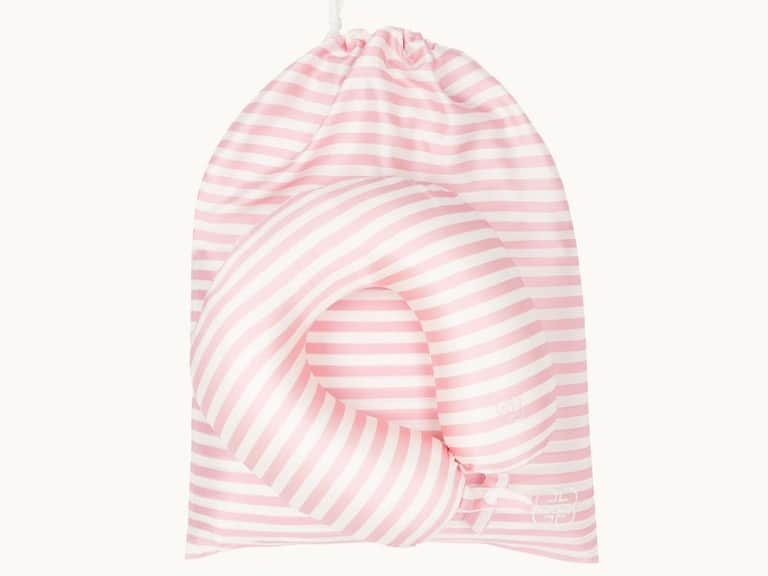
Silk Laundry Bag - Pink & Ivory Stripe
Travel-friendly, breathable organization for dirty laundry on the go.
Material: 100% Mulberry silk, 19 Momme. Size: 21" x 16". Care: Machine wash delicate, air dry, cool iron.
Price: $85.00
Brand: Gingerlily • Link: Product page
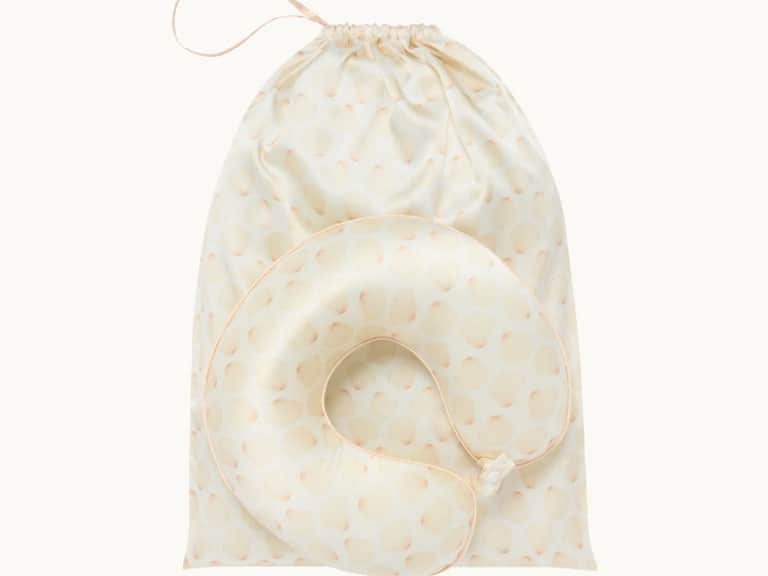
Silk Laundry Bag Seashells
Memo Press collaboration with seashell motif for travel storage and delicate care.
Material: 100% Mulberry silk, 19 Momme. Size: Standard travel dimensions. Care: Delicate cycle wash, air dry, cool iron.
Price: $85.00
Brand: Gingerlily • Link: Product page
A note on voice and approach
This article embraces an editorial, People-style voice that blends warmth, practical know-how, and a celebration of personal style. It avoids invented names or quotes and relies on broadly understood care techniques, supported by clear steps and accessible upcycling ideas that readers can implement today.