Materials, care & circular living
A Closer Look at Society Limonta’s Recycled Textile Blend
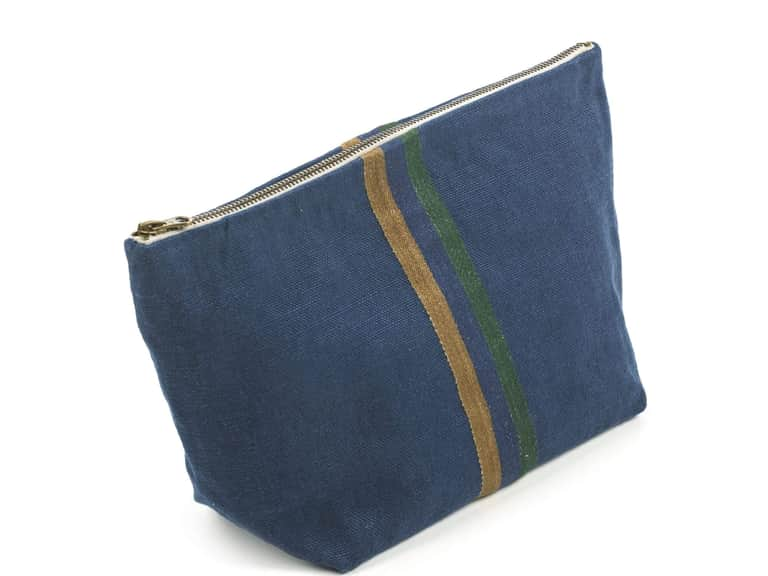
A soft, padded tote can be more than a place to carry everyday essentials. Society Limonta’s Puff Hang offers a useful starting point for understanding recycled polyester, mixed-fiber construction, and the small care choices that can help an accessory stay useful for longer.
Published November 8, 2026
Material labels can seem like a quiet footnote to a bag’s shape, color, and usefulness. Yet the fibers inside a textile influence how it feels, how it wears, and what kind of care it may need. That is especially true when a design combines more than one fiber. Society Limonta’s Puff Hang makes a helpful case study: it is described as a soft tote made from recycled polyester, with a composition that includes polyester and nylon and a stated material weight of 504 grams per square meter.
Those details tell part of the story, not all of it. They point to a blend designed to balance a soft, padded character with practical everyday use, but they do not specify the exact percentage of each fiber or the share of recycled content. Understanding that distinction helps readers make informed choices without turning a promising material claim into a bigger environmental promise than the available facts support.
For anyone interested in sustainable materials, the most useful questions are often refreshingly practical: What does a blend do? How can it be cared for? How can wear be spotted early? And what does it mean to keep an accessory in use instead of replacing it at the first sign of trouble? The answers begin with the fabric, then move into the everyday habits that give a bag a longer working life.
What the Puff Hang material details tell us
The Puff Hang is described as a tote with two wide handles and an inside pocket. Its padded form gives it a soft silhouette, while the interior pocket provides a simple place to organize smaller belongings. The stated textile composition includes polyester and nylon, totaling 504 grams per square meter, and the bag is identified as made from recycled polyester.
That specification offers useful clues, but it is not a complete fiber breakdown. Without percentages, it is not possible to say how much of the finished textile is polyester, how much is nylon, or exactly what portion is recycled. Nor does a fabric weight by itself reveal how a bag will perform in every situation. Weight is one characteristic among many; construction, stitching, finishing, use, and care all contribute to how an accessory holds up.
It is also worth distinguishing between a recycled-fiber claim and a complete life-cycle assessment. Recycled polyester can be made using recovered plastic materials, including post-consumer sources, or other recycled feedstocks. The precise origin and processing method depend on the product and its documented supply chain. A short product description may not contain those details, so readers looking for a fuller account can consult official material documentation when it is available.
That kind of careful reading is not skepticism for its own sake. It is a way to appreciate what a material choice can contribute while remaining clear about what has not been disclosed. Sustainable shopping works best when specific claims are treated specifically: recycled content is relevant information, but it does not automatically describe every stage of production, transport, use, or end-of-life handling.
Why designers use mixed-fiber textiles
A blended textile brings different fibers together in one material. Designers may choose a blend to achieve a particular hand feel, appearance, structure, weight, or performance. In a soft tote, the desired balance might include a comfortable surface and enough resilience for regular handling. The right combination depends on the fabric construction and the design brief; a fiber name alone cannot guarantee a particular result.
Polyester is a synthetic fiber widely used in textiles. Depending on how it is made and finished, it can contribute to a fabric’s strength, shape retention, or resistance to creasing. Recycled polyester uses recycled feedstock rather than relying solely on virgin raw material. This can be one part of a broader effort to use resources more carefully, although its overall environmental benefits depend on sourcing, manufacturing, durability, and what happens to the item after use.
Nylon is also a synthetic fiber and is used in many textile applications where strength and flexibility are valued. In a blend, it may contribute characteristics that complement the other fibers. But it would be misleading to infer the exact role it plays in the Puff Hang without detailed construction information. The material description confirms that nylon is included; it does not disclose enough to assign it a specific performance function with certainty.
The overall feel of a textile is shaped by more than its fiber names. Yarn structure, fabric construction, finishing, padding, and the way panels are assembled all matter. A bag that feels soft in the hand may still need attentive care, especially at points where weight and movement place repeated stress on seams, handles, corners, and closures. A thoughtfully blended material is only one part of the object’s practical life.
Recycled polyester: a useful material, not a magic word
Recycled polyester has become a familiar phrase in clothing and accessories, and for good reason: it describes a material made with recycled inputs. Yet the label alone does not tell shoppers everything they may want to know. Important details can include the proportion of recycled content, the source of the feedstock, whether the claim applies to one component or the whole product, and whether independent documentation is available.
When those specifics are absent, a measured interpretation is best. In this case, the Puff Hang is presented as made from recycled polyester and also described as containing polyester and nylon. The available description does not state a precise recycled percentage or detail the origin of every fiber. That still makes the item relevant to a conversation about recycled textiles, while leaving room for readers to seek additional information rather than guessing.
It is equally important to look beyond a single material claim when considering sustainability. A product’s useful life matters. A bag that is regularly carried, cared for, repaired when possible, and kept out of the waste stream for longer may deliver more practical value than an accessory that is quickly discarded. Durability is not a guarantee of sustainability, but longevity is a meaningful part of responsible use.
Blended textiles can present an end-of-life challenge, too. When several fibers are combined, separating them for recycling may be difficult, depending on the construction and local recycling systems. That does not make every blend a poor choice; it does mean that care, repair, reuse, and donation can be especially relevant ways to extend the useful life of a mixed-fiber accessory.
A gentle care routine for mixed-fiber accessories
Start with the maker’s care instructions. A product label or official care guide should take priority over general advice because finishing, padding, lining, and construction can all affect how a bag should be cleaned. The material description for the Puff Hang does not provide a specific cleaning method, so it would be unwise to assume that machine washing, soaking, or a particular cleaning product is suitable.
When care directions are not immediately available, a conservative approach can help reduce avoidable damage. Empty the bag first, remove loose dust with a soft brush or dry cloth, and spot-test any cleaning method on an inconspicuous area. Use a small amount of mild cleaner only if the manufacturer’s guidance permits it, and avoid saturating padded areas. Excess moisture can affect shape, interior structure, or drying time.
Let a cleaned bag dry fully in a well-ventilated place, away from direct heat and prolonged intense sunlight. Radiators, hair dryers, and other concentrated heat sources can stress synthetic fibers or affect padding and finishes. Before storing the bag, check that both the outer fabric and interior are completely dry. A little patience at this stage can help prevent lingering moisture and unpleasant odors.
For routine upkeep, small measures are often enough. Shake out crumbs and debris, wipe away marks promptly when appropriate, and avoid carrying items that could leak or stain without a protective pouch. Store the bag clean and dry, with its shape supported rather than crushed beneath heavy objects. If it has padding, avoid sharp folds that repeatedly press the same area.
Inspect seams and handles before wear grows
Handles and seams are natural checkpoints because they experience repeated pulling and friction. A quick inspection every so often can reveal a loose stitch, a thinning edge, a small tear, or a stressed attachment point before the damage becomes harder to address. Pay attention to the places where handles join the body of the bag, the corners that rub against surfaces, and any pocket opening that is used frequently.
If a seam begins to loosen, stop carrying heavy items until it can be assessed. Continuing to load a stressed area may enlarge the opening or cause nearby stitches to fail. A simple repair may be possible for a person with sewing skills, but a padded or lined construction can make repair more involved. A professional repairer may be able to advise whether stitching, patching, or another intervention is suitable.
Keep any repair aligned with the bag’s construction. Use thread and methods appropriate to the fabric, avoid stitching through areas that could damage an interior layer, and do not assume that an adhesive will remain flexible or bond reliably to every synthetic textile. When in doubt, seek advice before making an irreversible change. Careful repair is not just about appearance; it can help preserve the item’s function.
Use is part of a bag’s sustainability story
The most sustainable accessory is not necessarily the one with the most impressive-sounding label. Fit for purpose matters. A tote that is comfortable to carry, suits the owner’s routine, and is used often has a better chance of becoming a lasting part of daily life than an item bought for a single occasion. The Puff Hang’s wide handles and inside pocket are practical features noted in its description, but whether they suit a particular person depends on their needs and habits.
Before choosing any bag, think about what it will carry, how often it will be used, and where it will be stored. Consider the weight of typical contents, the comfort of the handles, and whether the interior layout makes essentials easy to find. A bag that is routinely overloaded may experience faster wear, regardless of its fiber composition. Using it within its intended purpose is a straightforward way to avoid unnecessary strain.
When an accessory no longer fits one routine, it may still serve another. A bag in good condition could be passed along, reused for storage, or adapted for a different task. If damage is limited, repair may extend its usefulness. Local textile collection and recycling options vary, so check the rules in your area before placing a mixed-fiber item in a recycling stream; not every program accepts every type of textile.
A practical checklist for thoughtful ownership
- Read the full material description. Look for fiber percentages, recycled-content details, and information about which product components the claims cover.
- Check care guidance before cleaning. Do not assume that a mixed-fiber or padded accessory is machine washable.
- Clean gently and dry completely. Use only methods compatible with the maker’s instructions and avoid concentrated heat.
- Inspect stress points. Look over handles, seams, corners, and pocket edges for early signs of wear.
- Carry a suitable load. Avoid routinely overfilling a tote or placing sharp, wet, or unprotected items inside.
- Repair or rehome when possible. Consider a repair assessment, reuse, or donation before discarding a bag that still has useful life.
- Check local disposal options. Recycling availability for mixed-fiber textiles differs by location and program.
The lasting appeal of knowing what you own
Society Limonta’s Puff Hang is a small but useful example of how material choices shape an everyday accessory. Its description identifies recycled polyester alongside polyester and nylon, with a stated textile weight of 504 grams per square meter. That information opens the door to meaningful questions about softness, durability, care, and the role of recycled fibers—without pretending to answer details that have not been specified.
For readers building more sustainable habits, that balance matters. Learn what a material claim does say, notice what it leaves open, and give practical care the attention it deserves. Gentle cleaning, dry storage, sensible loading, and early repairs are not glamorous gestures, but they can make a real difference to how long a bag remains useful.
In the end, a textile’s story is not finished at the point of purchase. It continues through the way an accessory is carried, maintained, repaired, shared, and eventually handled at the end of its useful life. A well-informed approach to mixed-fiber accessories makes those choices clearer—and helps turn sustainability from a label into a daily practice.